Social adaptation & body language
Context interpretation and selection of movement, expression and response in human settings.
View facilities & explanationsInside the space,
the details take shape.
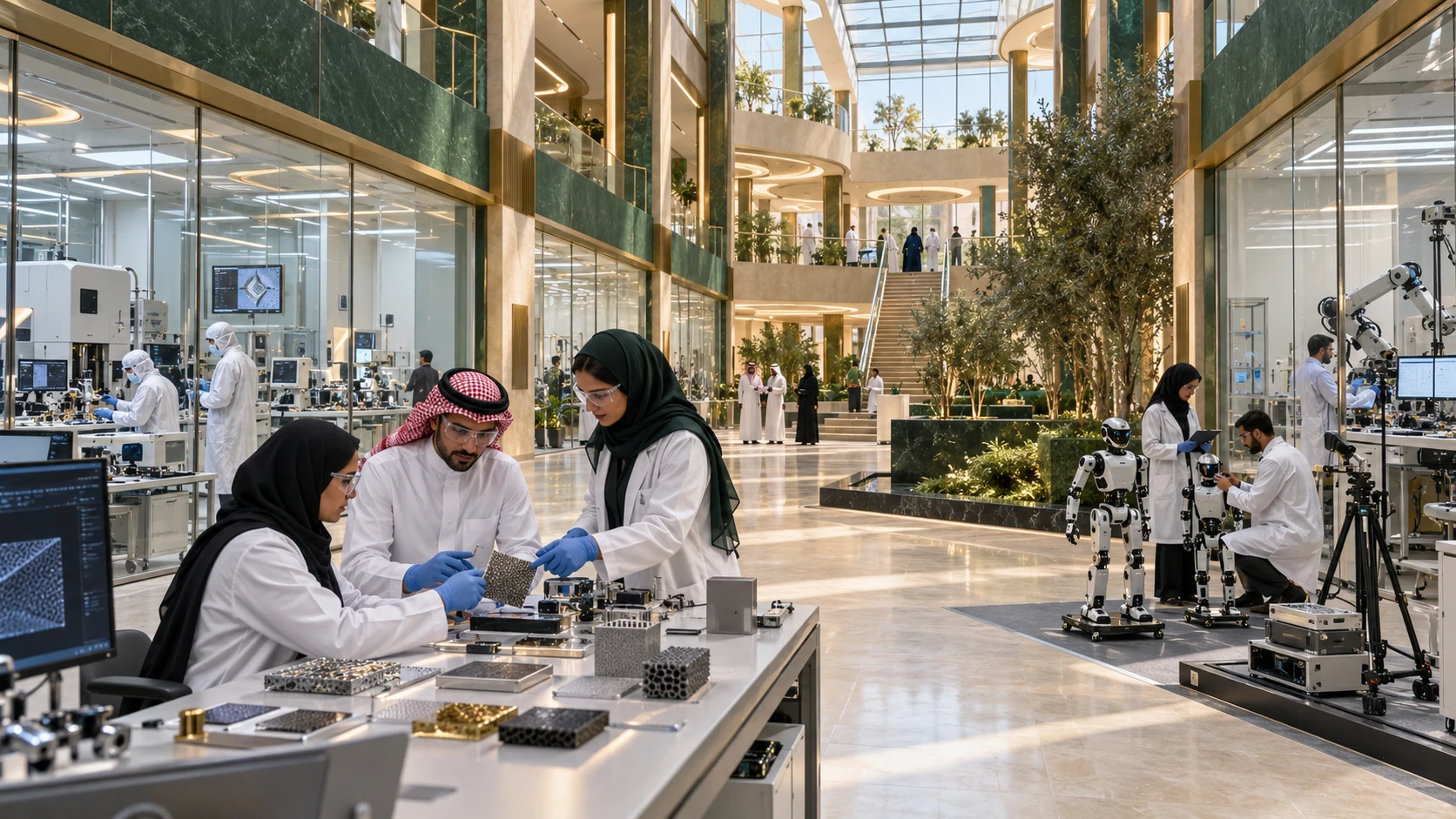
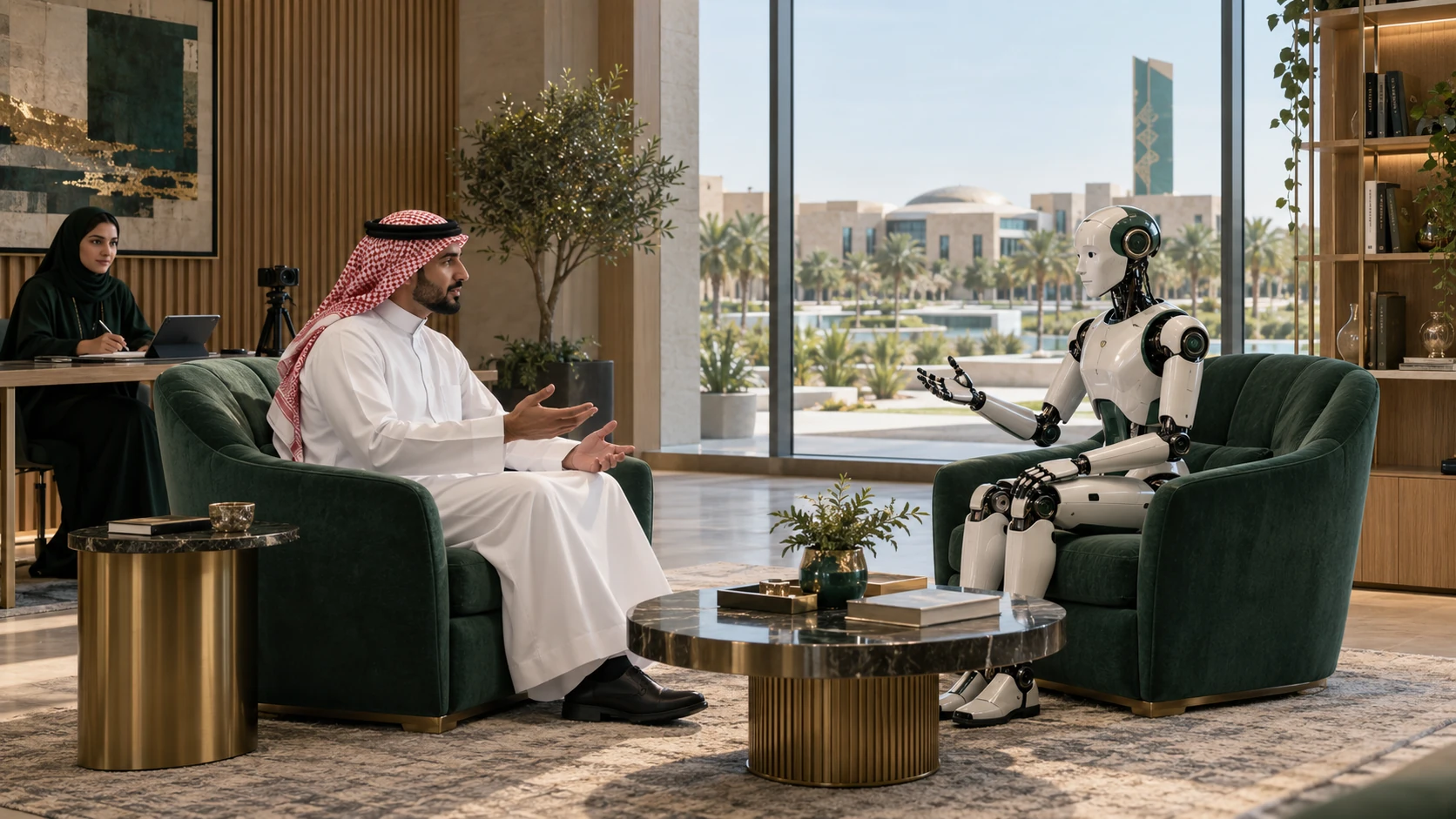
A research studio studies human–robot interaction in defined contexts. Conversation space, comfortable movement distances and authorized observation are proposed, with recorded session purposes and data boundaries. Gestures, attention direction and response timing are studied as contextual signals that can be ambiguous.
A clear service route and defined work areas
Access separated by the function of each space
Review and documentation points between work stages
Every unit, explained.
Every facility is explained below. Use the index to jump directly to a facility.
Scenario design
Define a narrow social situation, a clear task and reviewable observations without assuming emotion reading.
A session protocol and scenario.
Robot movement & expression
Test defined gestures, orientations and response timings with stopping and adjustment available.
A behavior version with known configuration.
Participant evaluation
Collect authorized feedback on clarity and comfort and document misunderstanding.
A feedback report and proposed changes.
From intake to outcome.
An illustrative route linking the units and showing how work moves between them.
Define context
Choose a situation and task that can be evaluated.
- 01
Define context
Choose a situation and task that can be evaluated.
- 02
Prepare & authorize
Explain the session, data and ability to stop to participants.
- 03
Supervised interaction
Run the scenario and capture agreed observations.
- 04
Review & improve
Compare intended understanding with the actual experience.
Social adaptation & body language
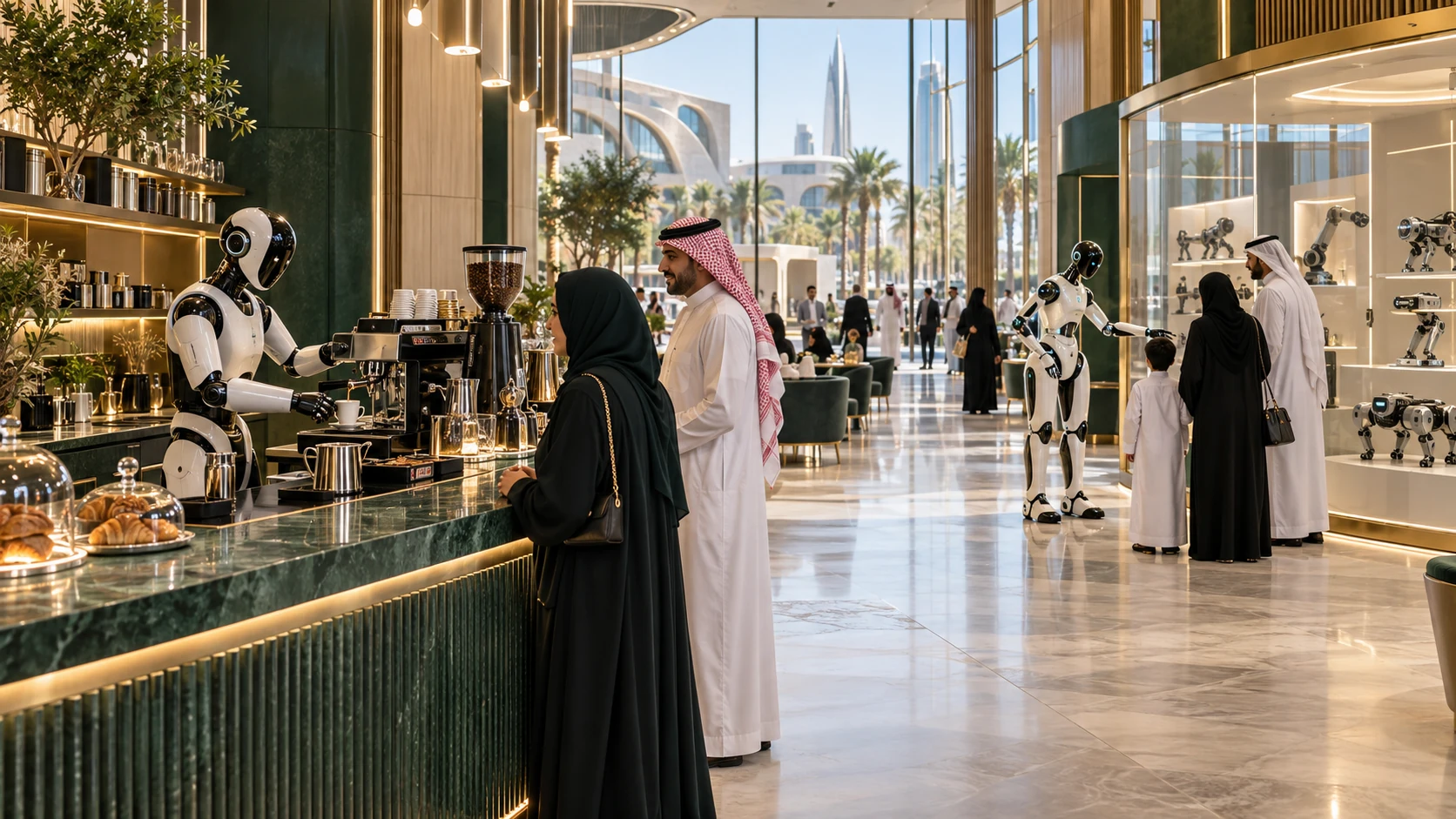
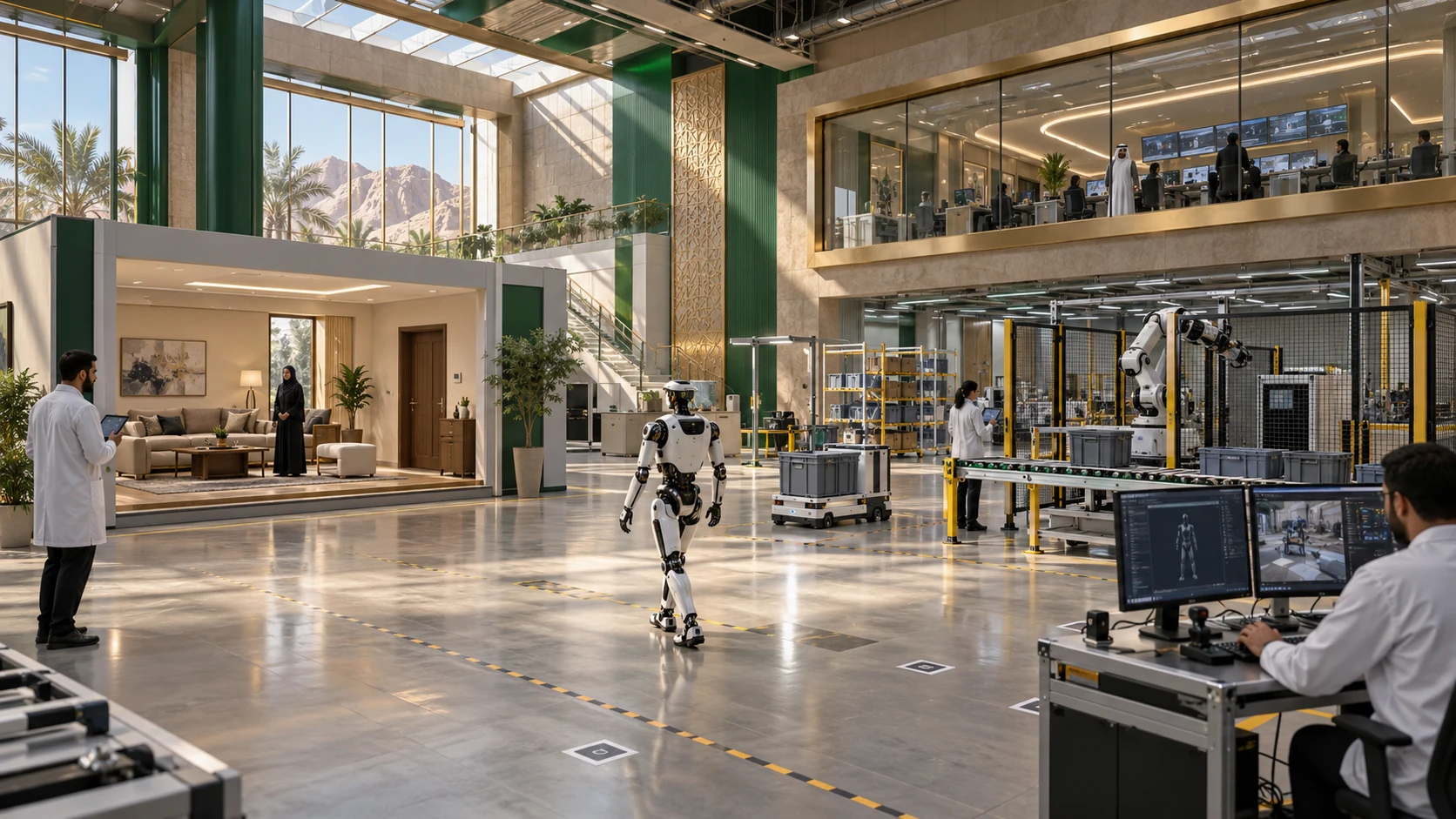
The image proposes a relationship between work areas, circulation and service. Zones and materials can evolve; it does not establish engineering dimensions or approved final equipment.
How does the concept work in practice?
Asking for directions in an exhibition
A participant asks for directions. The team tests a defined gesture, orientation and response timing, then asks whether the message was understood and the distance comfortable.
A targeted improvement in guidance and interaction clarity.
Clear ownership. Documented outputs.
System owner
Defines scope, authorized parties and case progression.
Specialist & integration team
Performs specialist work and connects outputs to related facilities.
Quality & review
Reviews records and exceptions before closure.
What does this area deliver?
01Interaction protocols and scenarios
02Authorized usability observations
03A versioned behavior library with usage limits
What is reviewed before operation?
01Explain purpose and data boundaries to participants
02Provide trial stopping and adjustment
03Avoid generalizing one signal across cultures and people
Proposed review areas, not a readiness certificate or operating approval.Connected to the wider city.
Continue into the detailed pages of related facilities and systems.